

Mesothelioma and Lung Cancer
It is a rare form of cancer that affects mesothelium which is the thin layer that covers many organs. It can affect the lung linings and in rare instances the testicles and the heart.
mesothelioma cancer claims make the mistake of thinking that mesothelioma and lung cancer is the same illness. Doctors can determine the correct diagnosis by using a variety of tests.
Symptoms
The cancerous mesothelioma is a result of a thin layer of tissue that surrounds the internal organs that you have. It is most prevalent in the linings of the lung (pleura) however, it can also occur in the abdominal lining or the heart, as well as the testicles. Exposure to asbestos is the cause. It may take between 10 and 40 years after exposure for mesothelioma symptoms to manifest. It is a difficult condition to diagnose because the symptoms are similar to other diseases. The first signs are chest discomfort, shortness of breath and a dry cough.
These symptoms are often mistaken for other ailments, like pneumonia or influenza. It isn't until the cancer has gotten worse that doctors can confirm a mesothelioma diagnosis using imaging tests and a biopsy.
A biopsy is taking a small portion of mesothelial tissue for examination under the microscope. There are two main types of mesothelioma epithelioid and sarcomatoid cells. The epithelioid cell has an improved prognosis due to the fact that it develops more slowly and is more responsive to treatment. A mesothelioma that is a combination of both kinds of cells is more rare and has a poorer prognosis.
If the mesothelioma has reached stage 1 or 2, it isn't very advanced and surgery may be possible. In these stages, the main focus is on controlling symptoms, not curing cancer.
This stage can include coughing and chest pain because of the accumulation of fluid in the lungs. It can be painful to eat and drink. X-rays or CT scans will help your doctor identify the lung's fluid. VATS, a type keyhole surgery, can be used to take a pleural specimen. A CT scan can be used to guide a biopsy.
In the stage 3 mesothelioma the cancers have begun to spread beyond the lungs and nearby lymph nodes. It's possible that mesothelioma has gotten to the pericardium, which is the sac that surrounds the heart. A procedure known as pleurodesis could be used to prevent fluid from building up in your lungs again. It is also possible to drain the fluid from your lungs through an indwelling catheter that you can remove at your own home, following the instructions of your physician.
Diagnosis
The symptoms of lung cancer and mesothelioma are similar, making it difficult to distinguish between them. It is not uncommon for doctors mistakenly diagnose or confuse the two illnesses. It's important that a doctor make a diagnosis as accurate as possible, because the right treatment could make a huge difference in the patient's prognosis.
Doctors will examine the patient and review their medical history to diagnose mesothelioma. They may also ask about the patient's previous exposure to asbestos, and what types of symptoms they are experiencing. Patients must provide as much information as they can about their asbestos exposure to help doctors diagnose the condition faster.
Doctors use different tests to determine if someone is suffering from mesothelioma or lung cancer. These tests could include a chest CT scan, blood test as well as an X-ray biopsy. In the course of a CT scan, doctors are able to observe how the pleurathe tissue that runs between the lungs and diaphragm -- looks. This can be helpful in finding out if the lining of the lung is getting thicker or the presence of fluid in the chest cavity, which are both mesothelioma-related signs.
In addition to these tests, doctors may also test a person's blood for certain enzymes that are increased in mesothelioma sufferers and less in lung cancer patients. These enzymes can be a sign that cancer cells are quickly multiplying. They can also check the lung tissue of a patient to determine whether they have any nodules that look like tumors. This is another indication of mesothelioma.
Both mesothelioma as well as lung cancer are usually discovered when they have spread to other parts of the body, also known as metastasis. To determine whether the cancer has spread, cancer doctors employ a variety of methods that include an PET scan.
In addition to examining symptoms and tests, doctors will also look at how the cancerous cells appear under a microscope. They can examine the shape of the cells and how tightly they are tightly clumped. Mesothelioma cancers aren't well-defined and do not have distinct boundaries, while lung cancers tend to be more prominent. Doctors will take into consideration how far the mesothelioma has spread and what stage it is in when choosing the best treatment plan.
Treatment
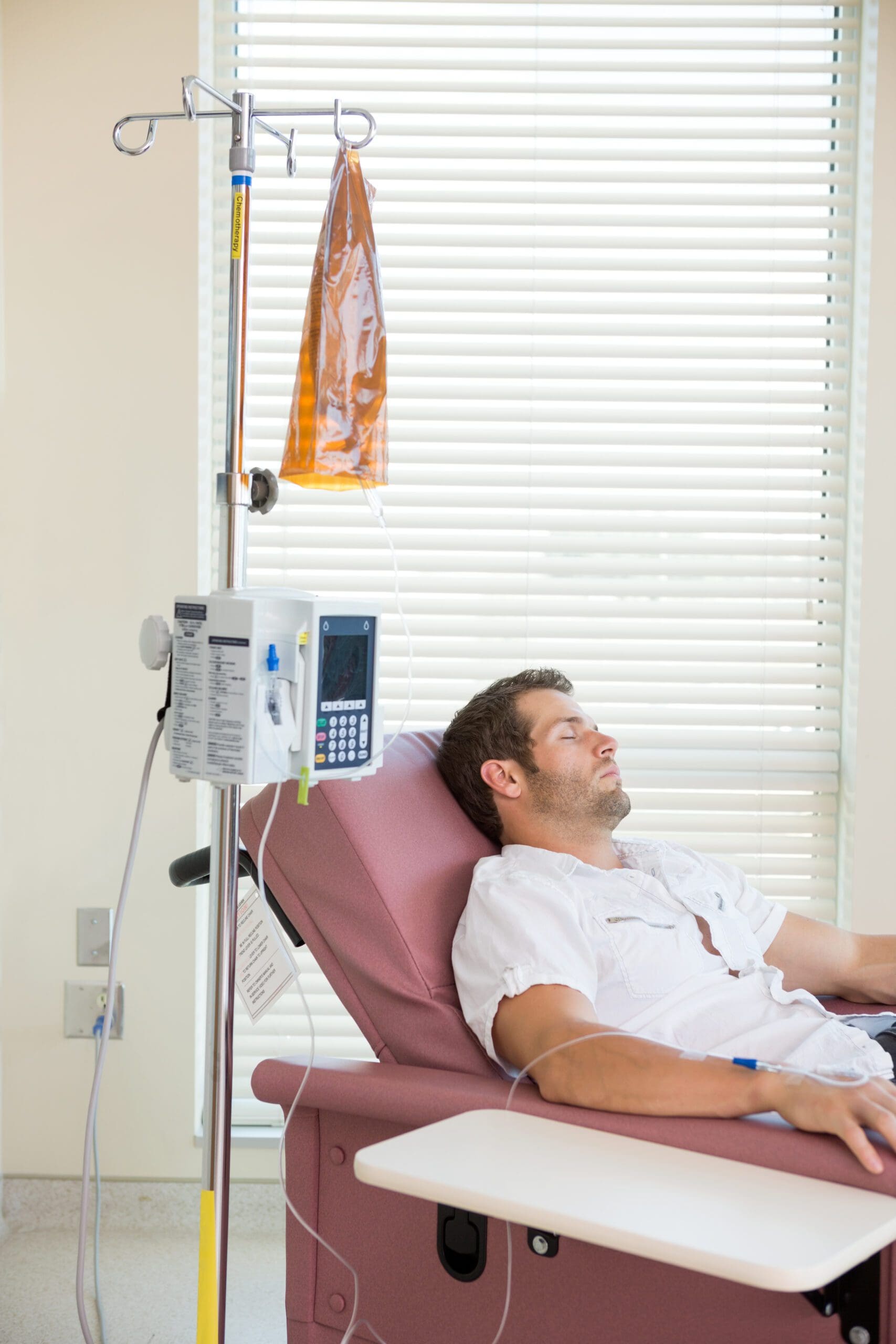
Mesothelioma patients often receive a combination of surgery and chemotherapy. They are designed to prolong the life of patients and control the progression of cancer. Unfortunately, mesothelioma is an incurable disease. Despite this, treatment options can improve the outlook of patients.
Mesothelioma is classified based on the site of the tumor and kind of cell. Pleural mesothelioma is a cancer of the lung's lining. This type of mesothelioma has a better chance of survival than other types of mesothelioma.
During the process of diagnosis doctors look over the medical history of the patient and conduct a physical examination. They also perform tests to determine if there are any abnormalities. Doctors may recommend X-rays CT scans or magnetic resonance imaging (MRI) to identify any abnormalities in the body. They might also recommend biopsies to confirm the diagnosis of mesothelioma.
A biopsy involves using the use of a needle to take the tissue sample to analyze under a microscope. This is the only method to identify Mesothelioma. Mesothelioma is a cancer that can manifest symptoms that are similar to other illnesses, such as pneumonia or the flu.
If the lung's lining is affected, doctors could recommend a procedure called pleurodesis to ease breathlessness due to the buildup of fluid in the lungs. In this procedure, a doctor injects a particular medication into the chest cavity using a tube called a bronchoscope. The lung's lining is then sealed with the medication, preventing the buildup of fluid and enhancing breathing.
In some cases doctors may also suggest radiation or chemotherapy. Chemotherapy uses cytotoxic chemicals to kill cancerous cells while slowing the growth of new cells. In addition, it can lower the likelihood of mesothelioma returning after surgery. Some doctors may administer chemotherapy before surgery to shrink the size of a mesothelioma tumor this is known as neoadjuvant chemotherapy. They may also use adjuvant chemotherapy to kill any remaining cancerous cells after surgery and reduce the chance of their spreading. Doctors may use HIPEC (hyperthermic intraperitoneal chemotherapy) to treat peritoneal adenocarcinoma. This involves injecting heated chemotherapy directly into the abdomen.
Prognosis
The prognosis for mesothelioma depends on the type and location, as well as the stage at the time of diagnosis, and the general health of the patient. Patients with a higher chance of survival are those who are younger, in general better health, and do not smoke.
Mesothelioma is diagnosed according to the type of cell present in the affected area and the site of the cancer. A doctor can also determine a mesothelioma's staging, which is the extent of the cancer's spread.
Stage 1 mesothelioma is characterized by localized tumors within one layer of the pleura. This stage is characterized by chest pain and shortness of breath. This mesothelioma stage may be treated with surgery or other treatments.
Asbestos sufferers who have mesothelioma with a higher degree of progression in the pleura, lung or abdomen may suffer more severe symptoms than patients with early stage disease. The tumors are more likely than not to have a spread into other organs like the abdominal cavity and heart.
Doctors can suggest treatment options like chemotherapy, radiation, or immunotherapy depending on the stage of mesothelioma. This could improve the prognosis. These treatments can help mesothelioma patients remain longer, even if the disease is in the process of remission.
Mesothelioma patients should talk to their physicians about any signs or symptoms they have that are unusual even if they do not believe the condition is mesothelioma. A doctor can look into the symptoms and determine if they're connected to asbestos exposure. These symptoms can be used to prevent mesothelioma, asbestosis and other diseases.